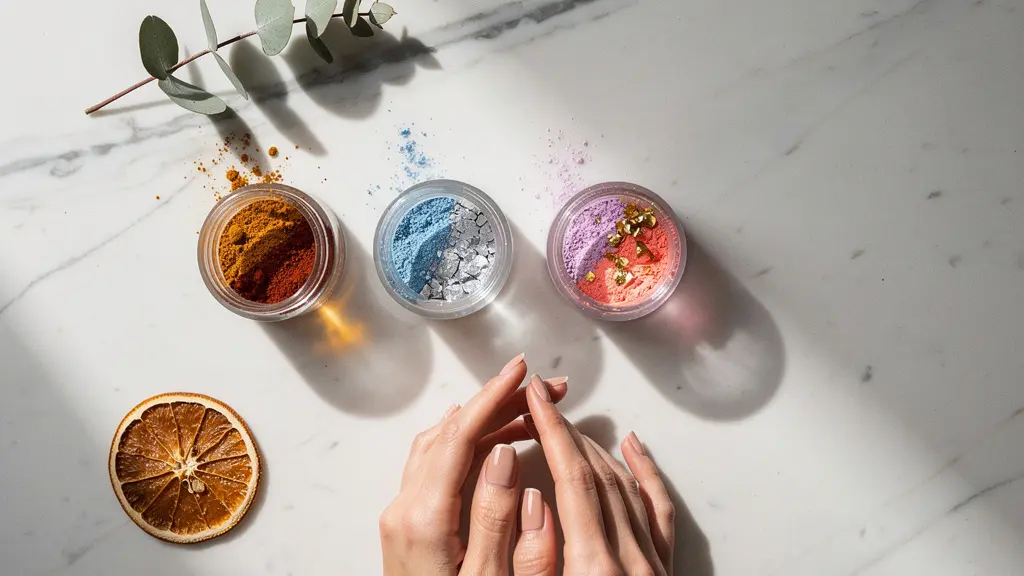
Calendar arbitrage allows you to pre-sell January and February appointments during high-demand seasons, eliminating slow periods through strategic pre-commitment psychology.
- Transform seasonal novelty (glow pigments, chrome trends) into scarcity-driven booking incentives that require advance reservation
- Bundle maintenance services into 3-month rehabilitation contracts rather than one-off repairs to guarantee recurring revenue
Recommendation: Implement tiered pricing strategies and scientific education to justify premium seasonal menus that secure your calendar 90 days ahead.
Empty appointment books in January and February do not indicate a lack of client desire; they signal a failure in pre-commitment strategy. While most nail technicians react to seasonal shifts by discounting services when demand drops, forward-thinking salon operators leverage calendar arbitrage—the strategic practice of selling future time slots when client urgency is highest to secure revenue during traditionally slow periods. The difference between a struggling technician and a fully booked salon lies not in the quality of the polish application, but in the architecture of the seasonal menu. By treating the calendar as a revenue asset rather than a passive scheduling grid, you can pre-position high-value treatments three months in advance, transforming seasonal transitions from periods of anxiety into predictable profit cycles. This approach requires shifting from transactional service delivery to revenue pre-positioning, using psychological triggers like scarcity and novelty to lock in client commitments before they encounter post-holiday financial fatigue or summer travel distractions. Rather than viewing each service as an isolated transaction, consider how seasonal velocity can create momentum that carries your business through the lean months.
The following eight strategic frameworks demonstrate how to engineer slot scarcity through specific seasonal offerings—from October’s luminescent pigments to January’s rehabilitative packages—ensuring your calendar remains dense with pre-booked appointments regardless of the season.
Table of Contents: Strategic Seasonal Revenue Frameworks
- Glow-in-the-Dark Pigments: Up-Selling for October Events
- Marketing Paraffin Add-Ons During the Dry Season
- Neon Fatigue: What to Offer Clients in August?
- Stocking Stuffers: Selling Cuticle Oil Bundles in December
- The “New Year Rehab” Package: Marketing to Damaged Nails in January
- How Combining Pedicures with Facials Increases Client Ticket Value?
- The “Sponge Effect”: How Water Cycles Weaken Intercellular Bonds?
- The “Hailey Bieber” Effect: How to Replicate Viral Chrome Quickly?
Glow-in-the-Dark Pigments: Up-Selling for October Events
October presents a unique calendar arbitrage opportunity through luminescent pigments that command premium pricing while solving the evening slot vacancy problem. These phosphorescent additives function as scarcity triggers when positioned within a limited-time menu structure, compelling clients to secure appointments before the seasonal offering disappears. Unlike standard polish upgrades, glow-in-the-dark options require specific lighting demonstrations to validate their subtlety for professional environments.
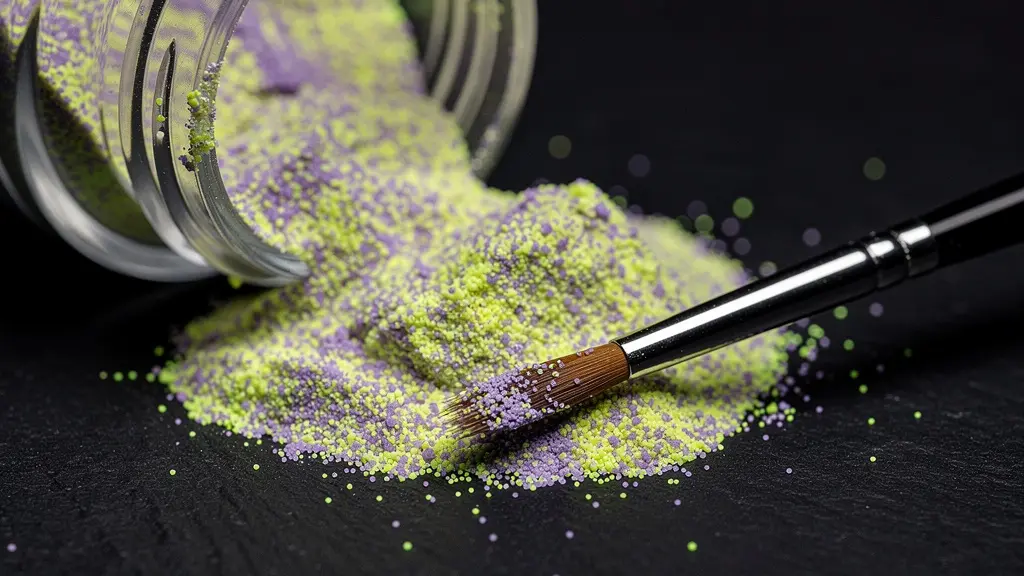
To maximize the pre-commitment psychology driving these bookings, structure your October marketing as a strategic funnel rather than a simple product announcement:
3-Step Strategy for October Glow Marketing
- Create a limited-time ‘Glow After Dark’ menu visible in your online booking flow as an advanced add-on, using seasonal customization features to trigger urgency.
- During the appointment consultation, demonstrate the glow effect by showing a cured sample wheel under daylight versus a UV flashlight to overcome the ‘too flashy for work’ objection.
- Offer a ‘Flash Booking’ discount for late-evening slots (7–9 PM) during the two weeks before Halloween, marketed via a seasonal email campaign highlighting the visual novelty.
This methodology transforms seasonal curiosity into concrete calendar density by requiring clients to book their follow-up appointments—essential for removing stubborn glitter bases—during the initial service. By capturing these future commitments while excitement peaks, you effectively export October’s seasonal velocity into January’s typically sparse schedule.
Marketing Paraffin Add-Ons During the Dry Season
The dry season presents a predictable physiological need that savvy technicians monetize through revenue pre-positioning rather than reactive upselling. When humidity drops, skin dehydration becomes a universal concern, yet most salons treat paraffin treatments as spontaneous add-ons. Strategic operators instead market these as essential “Winter Shield” maintenance contracts sold during high-traffic autumn months. This approach aligns with data showing that memberships accounted for 21% of all nail salon revenue in 2023, demonstrating clients’ willingness to pre-commit to bundled care. By offering a three-month paraffin pass—where clients pre-pay for weekly treatments at a bundled rate—you secure return visits through the traditionally slow winter season while solving the dry skin problem systematically. This pre-commitment psychology transforms the client’s perception from discretionary spending to essential wellness investment, locking in your January revenue before holiday expenses drain their discretionary budget.
Neon Fatigue: What to Offer Clients in August?
August represents a critical inflection point where neon fatigue meets pre-autumn preparation, creating the perfect conditions for calendar arbitrage. After three months of bright summer colors, clients experience visual saturation while simultaneously anxiety about returning to professional environments. Rather than allowing this transition to happen organically, strategic technicians curate a “Late Summer Reset” menu featuring milky whites and sheer nudes positioned as essential visual cleansing before autumn’s dark tones arrive. Seasonal themed promotions inherently create urgency that attracts bookings during typically slower periods. By offering “Transitional Art”—neon tips on nude bases—you simultaneously reduce waste from summer stock while easing clients into sophisticated fall aesthetics.
4-Step Palette Cleanser Strategy for August
- Curate a ‘Late Summer Reset’ mini-menu featuring milky whites, sheer nudes, and negative-space designs positioned as a visual cleanse before autumn’s dark tones.
- Use leftover neon stock creatively by offering ‘Transitional Art’ accent nails — neon tips on nude bases — to reduce waste while easing clients into the new palette.
- During every August appointment, present September availability aligned with ‘back-to-routine’ professional nail looks and offer a 10% pre-book incentive.
- Promote these limited-time transitional looks through social media, email newsletters, and your salon’s seasonal design portfolio to generate urgency.
By capturing commitment during the August maintenance window, you effectively block competitive poaching and ensure your September calendar fills with clients already primed for autumn’s more expensive gel overlay services.
Stocking Stuffers: Selling Cuticle Oil Bundles in December
December’s gift-buying frenzy offers a unique revenue pre-positioning opportunity through strategic retail bundling that simultaneously clears stock and books future appointments. The “Stocking Stuffer” approach leverages the psychological anxiety of forgotten gifts for colleagues and teachers, positioning cuticle oil bundles as convenient solutions that happen to include a hidden benefit for the buyer. Research indicates that selling to existing customers is significantly more likely to succeed than acquiring new buyers, with brands using cross-selling tactics typically seeing a 20% increase in profit. By implementing a “One for You, One for Me” promotion—where the purchaser receives a complimentary mini-oil with every gift bundle—you trigger impulse purchases while introducing product quality to potential future clients. Additionally, capitalizing on the 16% year-over-year growth in online gift card revenue allows you to pre-sell January services disguised as holiday presents. The critical strategy involves requiring gift card recipients to book their January appointments during the redemption process, transforming December’s retail velocity into guaranteed early-year service revenue.
The “New Year Rehab” Package: Marketing to Damaged Nails in January
January’s influx of damaged nails presents not a crisis but an opportunity for slot scarcity engineering through rehabilitative contracts. Rather than offering single repair appointments that leave clients vulnerable to competitive poaching, strategic technicians market a “New Year Rehab” package—a three-month nail growth journey that reframes damage repair as premium wellness investment. This approach aligns with data showing that members of loyalty programs spend up to 43% more money with the business, making the commitment model financially superior to transactional repairs.
The distinction between reactive repair and proactive journey membership proves stark when examining the structural differences:
| Feature | One-Off Repair Appointment | 3-Month ‘Nail Growth Journey’ Contract |
|---|---|---|
| Client Commitment | Single visit, no obligation | Pre-paid 3-month plan (4 sessions) |
| Revenue Predictability | Unpredictable; client may not return | Guaranteed recurring income through Q1 |
| Average Ticket Value | Standard manicure price | Premium ‘Health Reset’ pricing (full-price for simpler services) |
| Retention Mechanism | None | ‘New Year Resolution’ psychology + progress tracking |
| Upsell Opportunity | Limited | IBX treatments, keratin add-ons, retail oil bundles at each visit |
| Client Perception | Damage repair (negative framing) | Premium wellness investment (positive framing) |
By framing the service as a pre-commitment to nail health rather than emergency triage, you capture January’s repair demand while securing February and March revenue through structured follow-ups.
How Combining Pedicures with Facials Increases Client Ticket Value?
Service bundling transcends simple upselling when approached as calendar arbitrage—specifically, maximizing dollar-per-minute efficiency while solving the “Silent Sanctuary” demand from burnt-out professionals. By synchronizing pedicure and facial protocols into a single time slot, you effectively double revenue without doubling appointment duration, addressing the client’s desire for time-efficient pampering. Research confirms that upselling can boost a customer’s lifetime value by 20-40%, making these combinations financially essential rather than merely convenient.
5-Step Logistic Synchronization for Pedicure-Facial Combos
- During booking, offer the ‘Silent Sanctuary’ package as a bundled combo targeting burnt-out professionals seeking time-efficient pampering.
- Begin the appointment with a hydrating foot soak while applying a facial cleansing step and eye mask — synchronizing two services in one time slot.
- During the pedicure scrub phase, apply the facial mask to maximize dollar-per-minute efficiency without extending the appointment.
- Use the pedicure soak time to apply a complimentary ‘mini-facial’ sampler, converting nails-only clients into future skincare clients through cross-category sampling.
- At checkout, present a bundled package deal for the next 3 combo sessions at a discounted rate to lock in repeat visits.
This revenue pre-positioning strategy works because it requires clients to commit to multiple future appointments to receive the combo discount, effectively pre-booking your calendar three months ahead while delivering immediate value.
The “Sponge Effect”: How Water Cycles Weaken Intercellular Bonds?
Scientific literacy serves as a powerful revenue pre-positioning tool when deployed to justify premium pricing for dry manicures. The “Sponge Effect”—the phenomenon where water cycles weaken intercellular bonds in the nail plate—provides the educational foundation for selling “manicure insurance” in the form of cuticle oils and protective gloves. With UV gel overlays and extensions projected to register significant growth through 2030, clients increasingly require education about proper nail maintenance to protect their investments.
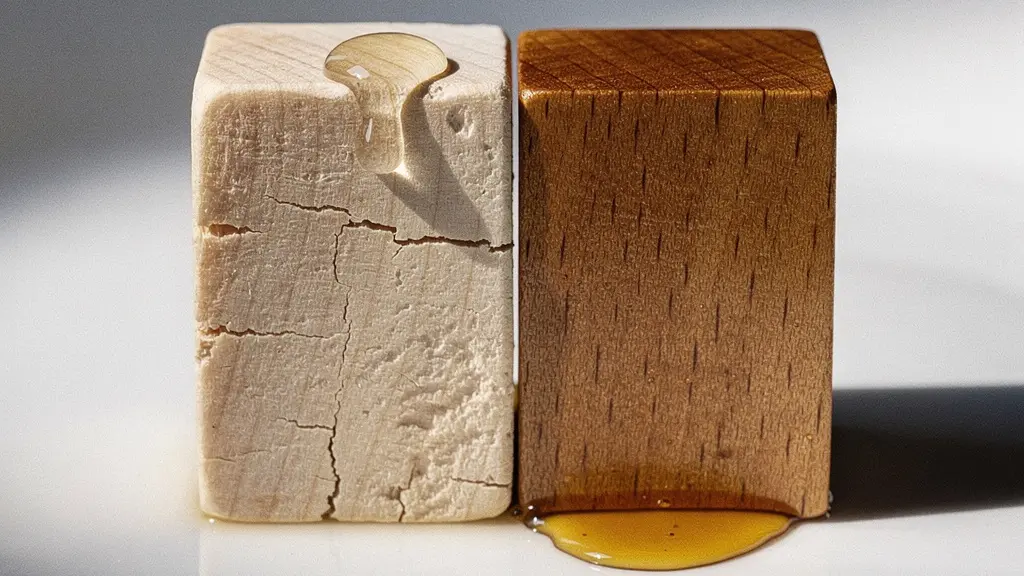
Data suggests that salons differentiating through specialized techniques can command premium pricing and push margins into double digits by translating abstract nail science into tangible sales tools. Creating a visual display comparing waterlogged wood (swollen, cracked) to oiled wood (smooth, protected) at your reception counter makes the intercellular bond concept immediately comprehensible. This scientific positioning transforms retail products from optional add-ons into necessary protective equipment, while justifying the higher price point of waterless “dry manicures” that preserve natural nail integrity. By educating clients about hydration cycles during high-traffic seasons, you create pre-commitment to maintenance schedules that protect their nail health through the dry winter months.
Key Takeaways
- Pre-sell time slots during high-demand seasons to secure revenue during slow periods through strategic calendar arbitrage
- Use scientific education and tiered pricing tables to justify premium service contracts and long-term commitments
- Leverage seasonal transitions and novelty trends to create urgency and bundle complementary services effectively
The “Hailey Bieber” Effect: How to Replicate Viral Chrome Quickly?
Viral trends like the “Hailey Bieber” chrome effect generate intense but fleeting demand that requires slot scarcity engineering to convert into sustainable revenue. Rather than treating these as one-time services, strategic technicians implement tiered pricing strategies that capture both trend-curious browsers and committed luxury clients. With the global nail salon market, valued at USD 11.96 billion in 2023, projected to reach USD 20.30 billion by 2030, trend literacy becomes essential for capturing market growth.
| Feature | Quick Chrome (Budget Tier) | High-End Replica (Premium Tier) |
|---|---|---|
| Technique | Chrome powder buffed over gel top coat | Structure gel base + precision chrome application + gel seal |
| Time Added to Appointment | ~10-15 minutes | ~25-30 minutes |
| Finish Quality | Subtle pearlescent sheen | High-shine liquid-metal mirror finish |
| Durability | 7-10 days before fading | 2-3 weeks with minimal wear |
| Price Point | $10-15 add-on | $25-40 premium service |
| Client Profile | Trend-curious, budget-conscious | Trend-committed, willing to invest for exact viral look |
| Marketing Angle | ‘Try the trend for less’ | ‘We have the exact powder and technique used in the photos’ |
By offering the “Quick Chrome” as an accessible entry point while reserving the “High-End Replica” for those seeking the exact viral look, you create a pre-commitment pathway. Clients who experience the budget version often upgrade to the premium service for subsequent appointments, effectively pre-booking your calendar with high-value repeat visits.
Evaluate your current seasonal menu architecture today to identify which high-demand services can be leveraged to pre-book your January and February calendar, transforming seasonal trends into guaranteed revenue.