Nail care
Your nails are more than a beauty statement—they’re a reflection of your overall health and the care you invest in yourself. Yet despite their visibility, nails are often subjected to harsh treatments, chemical exposure, and maintenance practices that can compromise both their appearance and structural integrity. Understanding the fundamentals of proper nail care isn’t just about achieving salon-worthy results; it’s about protecting yourself from infections, preserving the long-term health of your nail beds, and establishing habits that work with your body’s natural biology rather than against it.
Whether you’re a complete beginner wondering where to start or someone looking to refine their existing routine, comprehensive nail care encompasses far more than occasional polish changes. From recognizing serious health risks to mastering gentle removal techniques, this resource will guide you through the essential pillars of nail care: safety and hygiene, sustainable daily habits, solutions for common structural problems, skin protection strategies, and damage-minimizing product use. Each element works together to create nails that are not only beautiful but genuinely healthy from the inside out.
Why Nail Health and Safety Should Be Your First Priority
Before exploring aesthetic techniques or trending nail art, establishing a foundation of safety is non-negotiable. Amateur manicure practices, while convenient and cost-effective, carry risks that many people underestimate until they face a painful infection or allergic reaction.
The Hidden Dangers of Unsterilized Tools
Think of your manicure tools as you would surgical instruments—because in many ways, they are. When you clip, file, or push back cuticles, you’re creating microscopic openings in your skin that serve as entry points for bacteria and fungi. Unsterilized metal tools can harbor pathogens for weeks, transferring them from one use to the next. A study on nail salon hygiene found that improperly cleaned implements were linked to infections ranging from minor inflammation to serious cases requiring medical intervention.
Implementing a hospital-grade sterilization routine at home doesn’t require expensive equipment. A simple three-step process works effectively:
- Wash tools with antibacterial soap and warm water immediately after use
- Submerge in 70-90% isopropyl alcohol for at least 10 minutes
- Store in a clean, sealed container to prevent recontamination
Recognizing When Something Goes Wrong
Distinguishing between an allergic reaction and an infection can prevent minor issues from escalating. Allergic reactions typically present as itching, redness, and swelling around the nail within hours to days of product exposure, often symmetrically affecting multiple nails. Infections, conversely, usually target a single nail, producing warmth, throbbing pain, pus, or discoloration that worsens progressively.
The danger of cutting cuticles too deeply extends beyond momentary discomfort. Your cuticles act as a protective seal, preventing pathogens from entering the space between your nail plate and skin. Aggressive cutting creates wounds that compromise this barrier. Instead, gently push back softened cuticles and only trim loose, dead skin with sterilized tools.
Choosing Products That Won’t Harm You
Not all nail products are created equal. Many conventional polishes and removers contain a cocktail of chemicals known as the “toxic trio”: formaldehyde, toluene, and dibutyl phthalate. These substances have been linked to respiratory irritation, hormonal disruption, and skin sensitization. Fortunately, the market now offers numerous “5-free,” “7-free,” or even “10-free” formulations that exclude these and other concerning ingredients without sacrificing quality or longevity.
Building Sustainable Daily Maintenance Habits
The secret to consistently beautiful nails isn’t found in intensive weekly treatments—it lies in small, manageable actions performed regularly. Think of nail care like tending a garden: daily watering beats sporadic flooding every time.
Why Consistency Trumps Intensity
Applying cuticle oil for 30 seconds daily produces dramatically better results than a 20-minute treatment once a month. This principle applies throughout nail care because your nails respond to cumulative nourishment rather than occasional overload. Regular, gentle care allows your body to maintain its natural balance and repair processes without the stress of compensating for neglect followed by aggressive intervention.
Hand Cream Versus Oil: Understanding the Difference
Many people use these terms interchangeably, but they serve distinct purposes. Hand creams are typically water-based emulsions designed to hydrate skin quickly, making them ideal for daytime use when you need fast absorption. Cuticle oils, usually composed of vitamin-rich plant oils like jojoba or sweet almond, penetrate the nail plate itself and provide deeper, longer-lasting conditioning—perfect for nighttime application.
For optimal results, layer both: apply oil to nails and cuticles, then seal with hand cream over your entire hand. This combination addresses both nail health and skin hydration simultaneously.
Protection and Prevention in Daily Life
Your commute, whether by car, bike, or public transport, exposes your hands to harsh conditions. Cold air strips moisture, while UV radiation through windows can weaken nail structure over time. Simple protective measures make a significant difference:
- Keep a pair of moisturizing gloves in your bag for cold weather
- Apply SPF hand cream during sunny drives
- Address minor snags immediately with a fine-grit file to prevent tears from traveling down the nail
- Perform a quick weekly filing session to maintain smooth, even edges
Understanding and Solving Brittle, Breaking Nails
Few nail complaints are as frustrating as constant breakage. When nails snap, peel, or refuse to grow beyond a certain length, the causes are rarely singular—usually, multiple factors conspire to weaken nail structure.
The Water Paradox
Here’s a counterintuitive truth: while severe dehydration certainly damages nails, excessive water exposure is equally problematic. Nails are porous and absorb water readily, causing them to expand. When they dry, they contract. This constant swelling and shrinking—particularly common for those who frequently wash dishes or swim—creates microscopic stress fractures that manifest as splitting and peeling.
Protect your nails during water exposure by wearing gloves for household tasks and applying a waterproof protective coating before swimming. These simple barriers interrupt the damaging expansion-contraction cycle.
Chemical Stripping and Environmental Factors
Harsh detergents, acetone-based removers, and even some antibacterial soaps strip natural oils from the nail plate, leaving it dry and vulnerable. As we age, this vulnerability increases—nails naturally become more brittle due to decreased moisture retention and slower cell turnover. This doesn’t mean you’re destined for weak nails; it simply means your maintenance routine needs adjustment.
Protective coating solutions like nail strengtheners containing keratin, calcium, or silk proteins can temporarily reinforce weakened nails, giving them time to grow out healthier. However, these work best as a bridge rather than a permanent solution—address the underlying causes simultaneously for lasting results.
The Nutritional Connection
Your nails are constructed primarily from keratin, a protein that requires specific nutrients for optimal production. Dietary adjustments can significantly impact nail strength, though results typically take three to six months to become visible as the nail grows out. Key nutrients include:
- Biotin (found in eggs, nuts, and whole grains) for keratin synthesis
- Iron (leafy greens, lean meats) to prevent brittleness and ridging
- Omega-3 fatty acids (fish, flaxseed) for moisture retention
- Zinc (shellfish, legumes) for cellular repair and growth
Protecting the Delicate Skin Around Your Nails
The skin surrounding your nails—the cuticle, nail folds, and fingertip pad—deserves dedicated attention. This tissue is thinner and more sensitive than the skin on your palms or arms, making it particularly vulnerable to chemical irritation and environmental stress.
Contact dermatitis around the nails is surprisingly common and can be triggered by ingredients in nail polish, gel formulations, or even the gloves you wear for protection. Symptoms include itching, redness, scaling, or tiny fluid-filled blisters concentrated around the nail area. Common culprits include formaldehyde resins, acrylates in gel systems, and nickel in some metal tools.
If you use UV or LED lamps for gel manicures, protect surrounding skin by applying a barrier cream or specialized cuticle protector before curing. The photoinitiators in gel polish can cause allergic sensitization with repeated unprotected exposure, particularly in individuals with sensitive skin.
Maintaining proper pH balance is crucial for skin health around nails. Your skin’s natural pH is slightly acidic (around 5.5), which helps maintain its protective barrier. Many soaps and nail products are alkaline, temporarily disrupting this balance and leaving skin vulnerable. After using harsh products, restore pH by rinsing with diluted apple cider vinegar or using pH-balanced hand products.
Cold weather defense requires proactive measures. Winter air contains less moisture, and indoor heating further depletes humidity. This one-two punch causes the delicate skin around nails to crack and peel. Combat seasonal damage by applying rich, occlusive creams before bed, focusing on cuticles and nail folds. Products containing shea butter, ceramides, or petroleum jelly create a protective seal that prevents moisture loss overnight.
Minimizing Damage from Polish Removers and Solvents
Polish removal is a necessary evil in nail care—essential for maintenance but potentially damaging when done incorrectly. The good news is that understanding how solvents work allows you to minimize their harsh effects significantly.
Non-acetone alternatives have gained popularity for good reason. While acetone removes polish quickly and completely, it’s extremely drying and can leave nails feeling papery and brittle. Non-acetone formulas, typically based on ethyl acetate or methyl ethyl ketone, work more gently though they require slightly more effort. For regular nail polish, non-acetone removers offer an excellent balance of effectiveness and gentleness.
The “warm water bowl” method represents a gentler approach for removing stubborn polish, particularly glitter formulations. Soak cotton pads in remover, place them on nails, wrap fingertips in foil, then rest your hands in a bowl of warm (not hot) water for five minutes. The gentle heat accelerates solvent action, reducing the scrubbing and friction that damage the nail surface.
Pre-soak protection makes a measurable difference. Before removing polish, apply cuticle oil around nail edges and over the skin. This creates a barrier that prevents remover from drying surrounding tissue. Similarly, cotton ball size matters more than you might think—oversized cotton balls waste product and increase skin contact with solvents, while too-small pieces require excessive rubbing. A piece roughly the size of your nail plate provides optimal coverage with minimal waste.
Never skip post-acetone rehydration. Immediately after removing polish, wash hands to eliminate solvent residue, then apply cuticle oil and hand cream. This simple two-step process interrupts the drying cascade and helps nails recover their natural moisture balance quickly. Think of it as a rinse-and-condition routine for your nails—just as essential as the equivalent hair care practice.
Nail care is a continuous journey rather than a destination. By prioritizing safety, embracing consistent daily habits, addressing problems at their root cause, protecting vulnerable skin, and using products mindfully, you’re building a foundation for nails that remain healthy and beautiful for years to come. Start with one or two practices that resonate most with your current needs, master them, then gradually incorporate additional techniques. Your nails will reward your patience with strength, growth, and resilience.
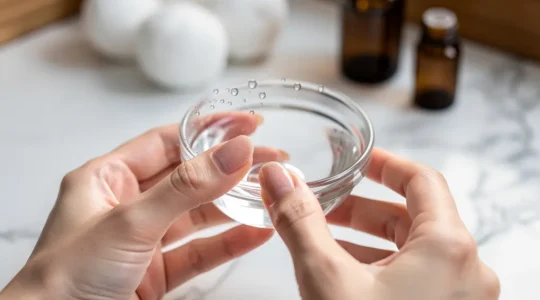
How to Add Glycerin to Acetone to Protect Your Skin During Removal?
Acetone is brutally effective but infamously damaging; the solution is not to abandon it, but to re-engineer it into a smarter solvent system. Adding a few drops of glycerin to pure acetone creates a moisturizing buffer that significantly reduces its…
Read more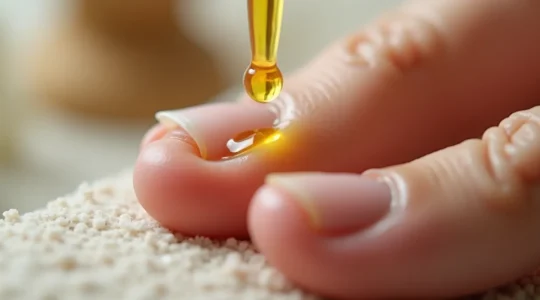
How to Heal the Skin Barrier Around Your Nails After Acetone Damage
In summary: Acetone strips your skin’s protective barrier, leading to dryness, cracking, and irritation. True healing involves a clinical layering method at night: humectants to hydrate, emollients to soften, and occlusives to seal. Protecting your hands from daily aggressors like…
Read more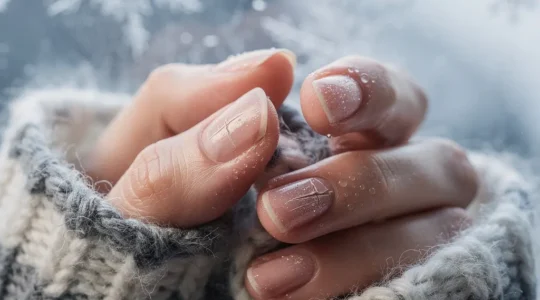
Why Do My Nails Get Brittle in Winter, Even With Gloves?
You think wearing gloves is enough to protect your nails in winter, but the real culprits are often invisible forces working against your nails’ structural integrity. This guide reveals the hidden mechanisms—like the ‘sponge effect’ of water exposure and the…
Read more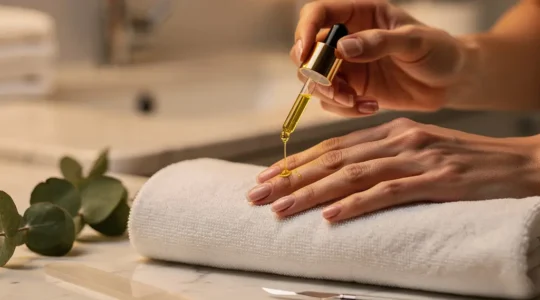
How to Build a 5-Minute Evening Routine for Salon-Worthy Cuticles?
In summary: Achieving healthy cuticles requires a daily system, not a weekly treatment. Maximize product effectiveness by layering cream (hydration) before oil (sealing). Prevent 90% of damage with weekly “edge sealing” and daily UV protection. Choose an applicator (like a…
Read more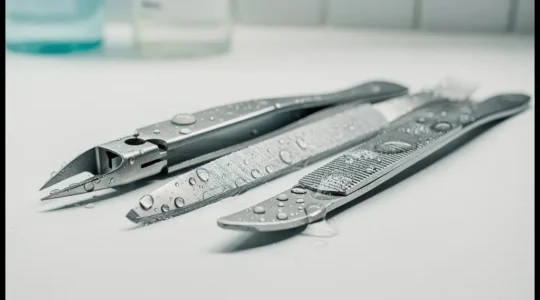
Why Do 70% of Home Manicures Result in Minor Infections?
The perception of a home manicure as a simple beauty task is a dangerous illusion; it is a minor medical procedure where invisible microbial threats are the primary danger. Improperly cleaned tools do not just harbor dirt; they cultivate drug-resistant…
Read more