Training and careers
The nail industry offers diverse and rewarding career opportunities for skilled professionals who combine technical expertise with business acumen. Whether you’re drawn to the artistry of nail design, the science of product chemistry, or the entrepreneurial freedom of running your own practice, a career as a nail technician requires solid foundational training and ongoing professional development.
Navigating the path from student to established professional involves critical decisions about education quality, specialization areas, legal compliance, and business models. This comprehensive resource explores the essential components of building a successful career in nail technology, from selecting your initial training program through expanding your services and establishing a sustainable practice.
Evaluating Education Quality and Avoiding Substandard Programs
Your education forms the foundation of your entire career, making school selection one of the most consequential decisions you’ll make. Unfortunately, the nail education industry includes both exceptional programs and those that prioritize profit over student outcomes.
Curriculum Depth and Relevance
Quality programs dedicate substantial time to safety protocols, product chemistry, and nail anatomy rather than rushing students through basic application techniques. Examine course syllabi carefully—a comprehensive curriculum should include modules on chemical safety, recognizing contraindications, proper sanitation procedures, and understanding how products interact with living tissue. Programs that promise certification in unrealistically short timeframes often sacrifice these essential knowledge areas.
Instructor Credentials and Industry Experience
The best educators combine active industry practice with teaching experience. Ask potential schools about instructor qualifications: How long have they worked in the field? Do they maintain current licenses? Do they continue their own education? Instructors who remain active practitioners bring current techniques and real-world problem-solving approaches to the classroom that purely academic instructors cannot replicate.
Accreditation and Job Placement Support
Legitimate programs readily share their accreditation status and job placement rates. For online education, verify that the accrediting body is recognized by relevant licensing authorities in your region. Request specific placement statistics—not vague promises—and ask to speak with recent graduates about their post-graduation experiences. Schools confident in their outcomes make this information accessible.
Financial Transparency
Understand the complete financial picture before enrolling. Quality schools provide clear breakdowns of tuition, materials, examination fees, and any additional costs. They should also offer information about financial aid options, payment plans, and realistic income expectations for new graduates. Be wary of programs that use high-pressure sales tactics or make unrealistic income promises.
Essential Knowledge Areas for Professional Practice
Successful nail technicians master an interconnected web of technical, scientific, and interpersonal skills that extend far beyond polish application.
Safety and Health Fundamentals
Understanding how to protect both yourself and clients from harm represents the most critical aspect of professional competence. This includes recognizing chemical sensitivities and allergies, particularly to methacrylate compounds found in enhancement products. You must learn to identify early warning signs of adverse reactions, understand when uncured product poses particular risks, and know when to refuse or discontinue services to prevent permanent damage.
Professionals also need thorough knowledge of mechanical damage prevention—knowing appropriate buffing intensity, understanding cuticle anatomy to avoid dangerous trimming practices, and recognizing the difference between cosmetic concerns and signs of systemic illness that require medical referral.
Product Technology and Chemistry
Modern nail services rely heavily on light-polymerized products, requiring technicians to understand the science behind curing. The difference between wattage and irradiance, the importance of proper bulb placement, and the function of inhibition layers all directly impact service quality and client safety. Professionals who understand these principles can troubleshoot problems, make informed equipment purchases, and adapt techniques as technology evolves.
Anatomical Knowledge
The nail unit is living tissue connected to systemic health. Understanding normal nail growth patterns, the role of the matrix, and how aggressive techniques impact long-term nail health allows you to provide services that enhance rather than compromise client wellbeing. This knowledge also helps you identify abnormalities that may indicate underlying health conditions requiring medical attention.
Investing in Specialized Skills for Career Growth
After establishing foundational competence, strategic specialization differentiates you in a competitive market and typically commands premium pricing.
Calculating Return on Investment
Advanced education requires both time and money. Before committing to specialized training, research market demand in your area and calculate realistic ROI timelines. If you invest in certification for a specialized technique, how many additional clients or what price increase would you need to recoup that investment? Quality educators should help you understand these economics rather than simply selling courses.
Vetting Advanced Educators
The advanced education market includes both legitimate experts and self-promoted “educators” with minimal experience. Verify an educator’s background: How long have they practiced the technique they’re teaching? Do respected professionals in the industry recognize their expertise? What kind of post-class support do they offer when you encounter challenges applying new skills?
The Value of Specialization
Developing recognized expertise in specific areas—whether complex nail art, corrective techniques, or working with special populations—creates multiple career advantages. Specialists often enjoy higher client retention, can charge premium rates, receive more referrals, and experience greater job satisfaction from mastering challenging skills.
Gaining Real-World Experience Through Mentorship
Formal education provides essential knowledge, but the transition from student to confident professional typically requires guided practical experience.
Finding the Right Mentor
Effective mentors possess both technical excellence and teaching ability. Look for professionals whose work you respect, who maintain busy practices, and who demonstrate patience with developing talent. The best mentorship relationships benefit both parties—you gain knowledge and experience while providing assistance that helps the established professional manage their workload.
Structuring the Learning Relationship
Clear expectations prevent misunderstandings. Discuss the duration of the arrangement, your specific learning goals, the tasks you’ll perform, and the compensation model upfront. Some mentorships involve unpaid observation, others offer reduced compensation while you develop speed and consistency, and some function as traditional apprenticeships with formal agreements.
Soft Skills Transfer
Mentorship teaches crucial skills rarely covered in formal education: how to handle difficult client conversations, manage scheduling challenges, maintain energy during long days, and develop your professional voice. Watching an experienced professional navigate the human aspects of service work provides invaluable modeling you cannot gain from textbooks.
Navigating Legal Requirements and Professional Standards
Compliance with regulations protects both you and your clients while establishing your credibility as a legitimate professional.
Understanding Regional Variations
Licensing requirements, permitted services, and regulatory oversight vary significantly by jurisdiction. State and provincial boards maintain different standards for education hours, examination requirements, and scope of practice. Before beginning your education, verify the specific requirements where you plan to practice, as some regional licenses have limited reciprocity.
Insurance as Professional Protection
Professional liability insurance is not optional for serious practitioners. Policies protect you from financial devastation if a client experiences an adverse reaction or claims injury from your services. Beyond basic liability coverage, consider property insurance if you own significant equipment and disability insurance to protect your income if injury prevents you from working.
Continuing Education Requirements
Many jurisdictions mandate ongoing education for license renewal. Beyond meeting minimum requirements, view continuing education as career investment rather than bureaucratic obligation. The industry evolves constantly—new products, updated safety research, and emerging techniques—making ongoing learning essential for maintaining competitive relevance.
Inspection Readiness
Regulatory inspections assess compliance with health and safety standards. Maintain organized records, proper sanitation protocols, and correct product storage as daily practice rather than scrambling before inspections. Professionals who consistently follow regulations treat inspections as routine verifications rather than stressful events.
Expanding Career Horizons Beyond Traditional Nail Services
A nail technology license opens doors to diverse career paths, many offering greater income potential and longevity than service provision alone.
Service Bundling and Cross-Training
Combining nail services with complementary treatments creates competitive advantages and increases average transaction values. Many nail technicians pursue additional training in skincare, allowing them to offer complete hand and foot treatments that address both aesthetic and therapeutic concerns. This cross-training proves particularly valuable as your career progresses and the physical demands of nail services become more challenging.
Education and Product Training
Experienced technicians with strong communication skills often transition into education roles—teaching at cosmetology schools, providing product training for manufacturers, or offering continuing education workshops. These positions typically offer more predictable schedules, reduced physical demands, and opportunities to shape the next generation of professionals.
Product Development and Sales
Your hands-on experience with products provides valuable insights for manufacturers. Career opportunities exist in product education, sales representation, and even development consulting where companies seek input from practicing professionals about product performance and market needs.
Career Longevity Considerations
Nail services demand physical endurance—hours of precise hand work, awkward postures, and repetitive motions. Planning for career evolution before physical limitations force your hand allows you to build sustainable long-term careers rather than scrambling when your body demands change.
Building and Structuring a Profitable Independent Business
Many nail technicians ultimately pursue independent practice, whether through booth rental, suite ownership, or mobile services. Business success requires skills distinct from technical proficiency.
Understanding Start-Up Investment
Realistic financial planning prevents the cash flow crises that sink new businesses. Beyond obvious equipment and product costs, budget for insurance, licensing fees, marketing, and several months of operating expenses before expecting profit. Mobile services require less initial investment but demand reliable transportation and portable equipment systems.
Client Management Systems
Professional client relationships require clear policies around scheduling, cancellations, and service boundaries. Establish cancellation policies that protect your income without alienating clients, develop systems for tracking client preferences and service history, and create referral programs that reward clients who support your growth.
Knowing When to Decline or Dismiss Clients
Not every potential client represents a good fit for your practice. Learning to recognize and professionally decline clients who disrespect your time, demand services outside your scope of practice, or create hostile environments protects both your wellbeing and your business reputation. Successful independent practitioners understand that saying no to wrong-fit clients creates space for ideal clients.
Financial Management Fundamentals
Many talented technicians struggle with business management, particularly expense tracking and tax planning. Implement simple systems from day one: separate business and personal finances, track all expenses with supporting documentation, set aside tax reserves from every payment, and consider working with a bookkeeper or accountant familiar with service industry businesses.
Building a successful career in nail technology requires commitment to both technical excellence and professional development. The industry rewards those who invest in quality education, maintain current knowledge, understand business fundamentals, and prioritize client safety above all else. Whether you envision yourself as a specialized technician, educator, or business owner, the career opportunities available to skilled, ethical professionals continue expanding as the industry matures and professionalizes.

How to Price Your Nail Art to Earn $50/Hour as a Freelancer?
Earning $50/hour as a nail artist isn’t about working harder; it’s about pricing smarter and running your freelance practice like a serious business. Implement non-negotiable business systems like deposits, travel fees, and clear cancellation policies to protect your revenue and…
Read more
Why Mentorship Accelerates Your Career Faster Than Beauty School
A beauty school license makes you employable, but a mentor makes you profitable and resilient. Mentorship teaches the unwritten rules of the salon: speed, client psychology, and real-world problem-solving that classrooms can’t simulate. A structured apprenticeship provides a direct path…
Read more
Online vs. In-Person Nail Masterclass: A Strategic Guide to ROI-Driven Skill Investment
The most profitable nail course isn’t about its format (online vs. in-person); it’s the one with the highest “feedback loop velocity” and a clear path to a quantifiable service price increase. Prioritize foundational, high-retention skills with proven market demand (like…
Read more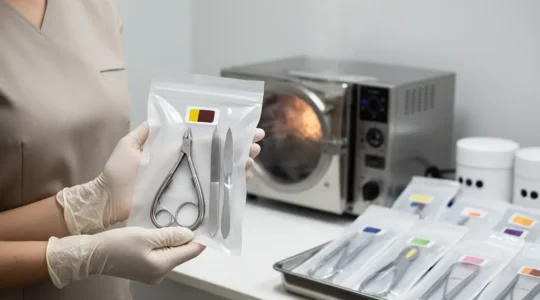
How to Log Sterilization Cycles to Pass a Health Inspection?
Compliance is not just about cleanliness; it is about the verifiable proof of that cleanliness through rigorous documentation. A valid sterilization log must track date, cycle type, and specific chemical indicator results for every single load. Visual cleanliness is insufficient;…
Read more
How to Spot “Diploma Mills” That Overcharge for Basic Nail Education?
Investing in nail school should build a career, not a mountain of debt from a worthless diploma. Diploma mills use inflated kit costs, fake job placement data, and unaccredited online courses to exploit students. Verifying instructor licenses, financial aid eligibility…
Read more
Nails Only vs. Full Esthetics: Which License Offers Better ROI?
While a nail technician license offers a faster entry to the market, a full esthetics license provides a superior long-term Return on Investment (ROI) through service stacking and physical longevity. Esthetics licenses unlock high-margin treatments (facials, lasers) that cannot be…
Read more
License vs. Certificate: What Do You Actually Need to Work Legally?
A state-issued license is the sole legal credential permitting nail services; certificates merely indicate educational completion and confer zero legal authority to practice. State training mandates range from 100 to 750 hours, creating significant regulatory fragmentation across jurisdictions. Liability exposure…
Read more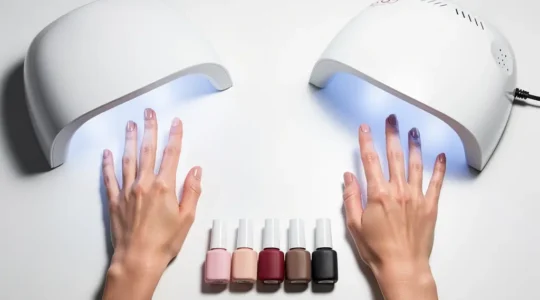
LED vs. UV Lamps: Which One Cures Your Specific Gel Polish Brand?
A gel manicure’s success or failure depends on achieving a specific dose of UV energy, not the lamp’s wattage or brand. High wattage is an electrical rating, while irradiance (mW/cm²) is the true measure of a lamp’s curing power at…
Read more
How Over-Buffing Creates Invisible Micro-Lesions That Lead to Infection
Aggressively buffing your nails for a smooth finish is creating microscopic wounds that compromise your nail’s natural defenses and invite infection. The goal of buffing is not to remove layers, but to gently prepare a surface; using low-grit files (like…
Read more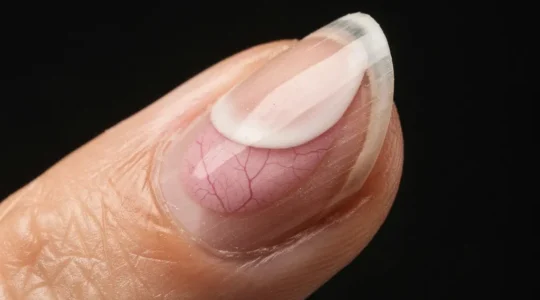
Why Is Damage to the Matrix Often Irreversible?
If you’ve ever slammed a finger in a door, you understand the fear of permanent nail damage. The anxiety stems from a simple truth: the nail matrix isn’t just tissue; it’s the biological blueprint for your entire nail. Damage to…
Read more