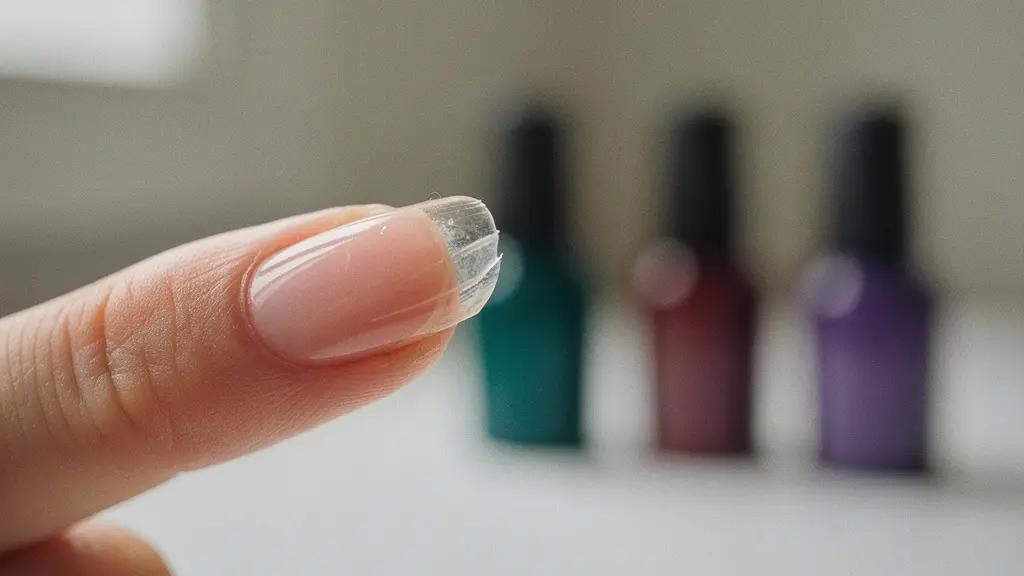
Contrary to popular belief, peeling nails are rarely a surface-level issue that a hardener can fix; they are a critical bio-indicator of your internal health.
- Topical products often mask the real problem, which stems from nutrient malabsorption, hormonal imbalances, or poor circulation to the nail matrix.
- True, lasting strength is built from within by addressing the specific systemic cause, whether it’s an iron deficiency, thyroid dysfunction, or chronic stress.
Recommendation: Shift your focus from external treatments to internal diagnostics. Start by investigating your nutritional status and key health markers to build a resilient cellular foundation for your nails.
You’ve done everything you’re “supposed” to do. You’ve invested in expensive nail strengtheners, religiously applied cuticle oils, and sworn off using your nails as tools. Yet, the peeling, splitting, and bending continues. This frustrating cycle leads many to believe they are simply cursed with “bad nails.” But as a holistic nutritionist specializing in dermatology, I can tell you that your nails are not the problem; they are the messenger. They are a diagnostic window providing clear signals about your body’s internal environment.
The beauty industry has conditioned us to seek topical solutions for what are often deep-seated systemic issues. A bottle of nail hardener can create a temporary shield, but it cannot correct a vitamin deficiency, rebalance a struggling thyroid, or improve nutrient delivery at a cellular level. Continuing to apply surface-level fixes without addressing the root cause is like painting over a crack in a house’s foundation—it hides the problem but does nothing to prevent the eventual collapse.
This is where we must shift our perspective. Instead of asking “What can I put on my nails?”, we need to start asking “What are my nails telling me about my health?” This guide will move beyond the superficial and decode the messages your nails are sending. We will explore the direct links between specific nail problems and your internal health, from the role of micronutrients and hormones to the importance of blood flow and stress management. It’s time to stop fighting your nails and start listening to them.
To navigate this journey from the outside in, we will cover the essential pillars of building nail health from a biological foundation. This table of contents outlines the key areas we will investigate to understand and resolve the true source of nail weakness.
Summary: Why Your Nails Are Peeling and How to Truly Fix Them
- Which Vitamin Deficiency Causes Vertical Ridges on Your Plate?
- How to Rehydrate Brittle Nails From the Inside Out in 2 Weeks?
- Separation from the Nail Bed: When Is It a Sign of Thyroid Imbalance?
- Massage Techniques to Boost Blood Flow to the Matrix for Faster Growth
- How to Stop Stress-Induced Picking That Damages the Hyponychium?
- Where Exactly Is the Matrix Located and How Deep Is It?
- Collagen Peptides: Do They Thicken the Plate or Just Speed Growth?
- How to Restore Hardness to Nails That Bend Like Paper?
Which Vitamin Deficiency Causes Vertical Ridges on Your Plate?
Vertical ridges are one of the most common complaints, often dismissed as a normal sign of aging. While they can be, they are also a classic signpost pointing towards specific nutritional shortfalls. Before you can absorb and utilize nutrients to build a smooth nail plate, you need adequate levels of key minerals and the digestive capacity to break them down. In many cases, iron deficiency is a primary culprit; globally, it affects over 25% of women and directly impacts keratin formation, leading to these tell-tale lines.
However, the issue often goes deeper than a single nutrient. It can be a problem of nutrient malabsorption. If your digestive system isn’t functioning optimally, you could be consuming all the right foods and supplements with little to no benefit for your nails. This is a crucial point often missed by conventional advice.
Vertical ridges are a common nail sign that is associated with a lack of silica, as well as possibly low iron and B-vitamin levels. Low stomach acid can be the underlying issue here, that prevents the efficient uptake of these vitamins.
– Spectrum Chiropractic Natural Family Healthcare, Health Clues in the Fingernails Study
Therefore, a two-pronged approach is necessary: ensuring you have sufficient intake of essential nail-building blocks like iron, silica, and B-vitamins, while also supporting your digestive health. Adding silica-rich foods such as oats and leafy greens, testing your ferritin (iron storage) levels, and considering digestive enzymes can be transformative steps toward building a smoother, stronger nail plate from the inside out.
How to Rehydrate Brittle Nails From the Inside Out in 2 Weeks?
When nails are brittle and snap at the slightest pressure, our first instinct is to slather them in oils and creams. While topical moisture helps, true, resilient hydration comes from within. Nails that lack flexibility are often a sign of insufficient dietary healthy fats and essential fatty acids. These fats are integral to your cell membranes, helping to lock in moisture not just in your skin, but in your nail plate as well. A diet deficient in Omega-3 fatty acids will manifest as dryness throughout the body, and your nails are no exception.
The solution is to “moisturize” your nails from your plate, not from a bottle. Increasing your intake of Omega-3s through sources like fatty fish (salmon, mackerel), walnuts, and flaxseeds provides the building blocks for a more hydrated, flexible nail structure. This internal approach provides a systemic solution that no cuticle oil can replicate.
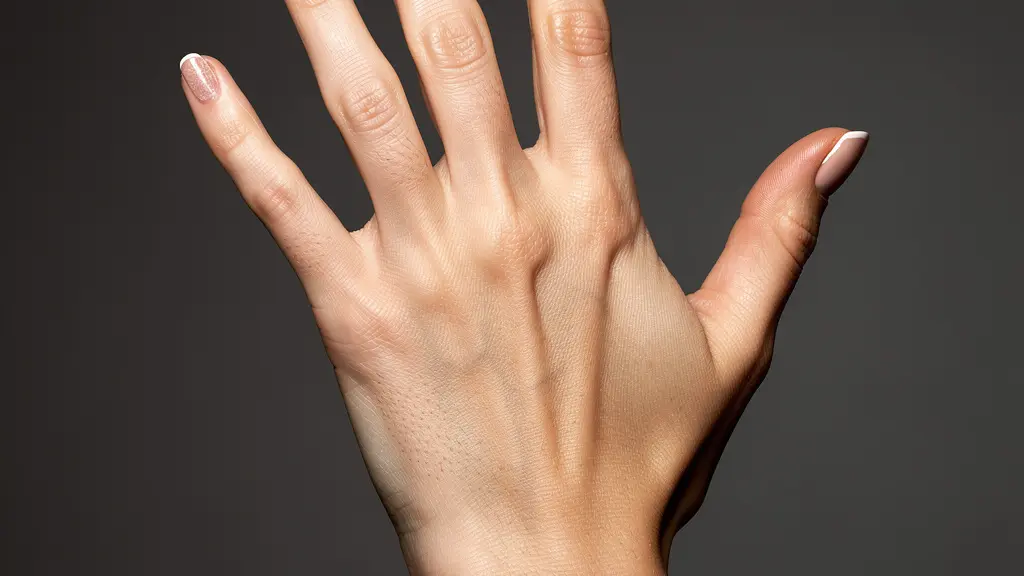
This visual contrast highlights the difference between a dry, fragile nail and one that is properly hydrated at a cellular level. The visible change in texture and sheen is a direct result of internal nourishment, not external coating. A clinical observation further reinforces this principle.
Case Study: The Impact of Omega-3 on Nail Hydration
In a notable clinical observation, patients supplementing with 2-3g of EPA/DHA Omega-3 fatty acids daily showed significant improvements in nail moisture and a reduction in brittleness. When combined with adequate water intake, visible changes in nail flexibility and appearance were reported in as little as 14 to 21 days, demonstrating how quickly internal changes can manifest externally.
Separation from the Nail Bed: When Is It a Sign of Thyroid Imbalance?
One of the more alarming nail issues is onycholysis, where the nail plate lifts and separates from the nail bed underneath. While this can be caused by trauma or infection, when it occurs spontaneously across multiple nails, it can be a significant red flag for a systemic imbalance, most notably with the thyroid. Your thyroid gland acts as the master regulator of your metabolism, controlling the speed at which your body’s cells, including nail cells, grow and function. When the thyroid is under or overactive, it disrupts this entire process.
Clinical data reveals a strong connection. Studies show that nail abnormalities are common in patients with thyroid disorders, with onycholysis being a frequent symptom. For instance, up to 38% of hypothyroid patients and 29% of hyperthyroid patients experience some form of nail change, including separation from the nail bed. This makes your nails a valuable diagnostic clue. If you’re experiencing onycholysis alongside other symptoms like fatigue, hair loss, or unexplained weight changes, it’s a signal from your body that warrants a deeper investigation into your thyroid health.
Understanding the key thyroid markers can provide clarity on how this gland impacts nail health. A full thyroid panel goes beyond the standard TSH test to reveal the complete picture.
| Thyroid Marker | Normal Range | Impact on Nails |
|---|---|---|
| TSH | 0.4-4.0 mIU/L | Elevated levels linked to nail brittleness |
| Free T3 | 2.3-4.2 pg/mL | Low levels cause slow nail growth |
| Free T4 | 0.8-1.8 ng/dL | Deficiency leads to onycholysis |
| Reverse T3 | 9-25 ng/dL | High levels indicate poor conversion |
Massage Techniques to Boost Blood Flow to the Matrix for Faster Growth
Even with perfect nutrition, nutrients need to reach their destination. The nail matrix, the small area of living tissue at the base of your nail, is where nail cells are created. The health and growth rate of your nails are directly dependent on robust blood flow to this critical area. Poor circulation, whether from a sedentary lifestyle or cold extremities, can starve the matrix of the oxygen and nutrients it needs, resulting in slow, weak growth. This is a mechanical issue that supplements alone cannot fix.
Fortunately, you can directly influence this with a simple, daily practice: massage. Gently massaging the cuticle and the area at the base of your nail stimulates local circulation, bringing a fresh supply of nutrient-rich blood directly to the matrix. This not only nourishes the new nail cells but can also encourage faster, healthier growth. Think of it as tending to the soil where your nails grow. Combining this physical stimulation with a nourishing cuticle oil can enhance the benefits, but the primary mechanism of action is the improved blood flow itself.
This simple habit transforms nail care from a passive application of products into an active, therapeutic ritual that supports the biological process of nail formation. The following protocol can be easily integrated into your daily routine.
Your 5-Minute Nail Matrix Massage Protocol
- Warm hands by alternating between warm (40°C) and cool (20°C) water for 30 seconds each, repeating for 3 cycles to boost circulation.
- Apply a circulation-boosting oil (like one containing rosemary or peppermint) to the cuticle area of each nail.
- Use your thumb to make small, firm circular motions at the very base of the nail, over the matrix, for 30 seconds per finger.
- Gently pull each finger from its base to the tip to stimulate lymphatic drainage and reduce any puffiness.
- Finish with light tapping around the nail folds to gently activate nerve endings and further enhance blood flow.
How to Stop Stress-Induced Picking That Damages the Hyponychium?
Sometimes, the damage to our nails isn’t metabolic but behavioral. Chronic stress often manifests as body-focused repetitive behaviors (BFRBs), such as picking at the cuticles or the skin under the nail. This seemingly harmless habit can cause significant damage to the hyponychium, the delicate seal of tissue that connects the nail plate to the fingertip. When this seal is broken, it creates an entry point for bacteria and can lead to peeling and separation from the free edge inward.
The root cause here is not nutritional but neurological. High levels of the stress hormone cortisol can increase compulsive tendencies. The act of picking provides a momentary distraction or a sense of control in a stressful situation. To break the cycle, you must address the stress trigger itself, not just try to stop the behavior through willpower alone. Techniques from cognitive-behavioral therapy (CBT) have proven highly effective in this area.
The goal is to replace the destructive habit with a constructive one, a process known as habit reversal training. This involves becoming aware of your triggers and having a competing response ready.
Study: Cognitive-Behavioral Intervention for Nail Picking
A behavioral therapy study highlighted on Healthline tracked 50 chronic nail pickers who implemented habit reversal training. By identifying their personal triggers through journaling and developing competing responses—like squeezing a stress ball or applying a scented balm when the urge arose—participants effectively rewired their response to stress. After 8 weeks, 72% reported a significant reduction in picking, with visible improvement in nail health and hyponychium integrity within just 4 weeks.
Where Exactly Is the Matrix Located and How Deep Is It?
To protect your nails, you must first understand their anatomy. The most critical and vulnerable part is the nail matrix. This isn’t just the visible half-moon (lunula); the lunula is only the very front edge of the matrix. The majority of this vital tissue is hidden beneath the skin at the base of your nail, under the proximal nail fold (the area where the cuticle grows). It is the nail’s command center, responsible for generating the cells that form the nail plate.
The matrix is surprisingly delicate and shallow. Any trauma to this area—from aggressive cuticle cutting, improper acrylic removal, or even a repetitive tapping habit—can disrupt cell production and lead to permanent abnormalities like ridges, splits, or indentations in the nail plate as it grows out.
The nail matrix is located under the proximal nail fold and extends to the distal edge of the lunula. Its depth is only 3-5 millimeters below the skin surface, making it highly susceptible to trauma from aggressive cuticle pushing or repetitive impacts.
– American Academy of Dermatology, Nail Anatomy and Physiology Guide
This knowledge fundamentally changes how we should approach nail care. The goal should be to protect the matrix at all costs. This means shifting from aggressive “cleaning” to gentle nurturing. Understanding what practices are safe versus what can cause irreversible damage is paramount for long-term nail health.
| Practice | Impact on Matrix | Safety Rating |
|---|---|---|
| Gentle cuticle pushing | Minimal risk if done correctly | Safe |
| Metal tool scraping | High risk of matrix damage | Dangerous |
| Cutting live cuticle | Can cause permanent scarring | Very Dangerous |
| Oil massage | Nourishes without trauma | Recommended |
Key Takeaways
- True nail strength is a reflection of internal health, not the quality of your nail hardener.
- Systemic issues like nutrient malabsorption, thyroid imbalance, and poor circulation are common root causes of peeling and brittle nails.
- Building resilient nails requires a holistic approach: nourishing from within, managing stress, and protecting the nail’s delicate anatomy.
Collagen Peptides: Do They Thicken the Plate or Just Speed Growth?
Collagen has become a superstar supplement, often touted as a cure-all for skin, hair, and nails. While it is the primary protein that makes up your nail plate, its role is more nuanced than simply “taking collagen for better nails.” Supplementing with specific bioactive collagen peptides has been shown to influence both the speed of growth and the resilience of the nail plate, but it doesn’t work in a vacuum.
A landmark study on bioactive collagen peptides demonstrated a 12% increase in nail growth rate and a 42% reduction in broken nails after 24 weeks of supplementation. This suggests it does more than just speed things up; it improves the quality of the nail being produced. However, the key to its effectiveness lies in the body’s ability to use it. For your body to properly synthesize the collagen you consume into usable keratin for your nails, it requires essential co-factors.
This is where a holistic nutritional perspective is vital. A VERISOL® clinical trial on 25 participants taking 2.5g of collagen daily found that results were optimal only when combined with adequate Vitamin C and Silica. Vitamin C is crucial for the hydroxylation process (a step in stabilizing collagen), while silica helps create the cross-links that give the nail plate its strength and structure. Taking collagen alone without these co-factors is like giving a construction crew bricks without any mortar. You have the raw materials, but you can’t build a strong, stable structure.
How to Restore Hardness to Nails That Bend Like Paper?
When nails are so soft they bend like paper, the immediate temptation is to reach for a “nail hardener.” However, most of these products create a dangerous illusion of strength. They work by using ingredients like formaldehyde to create an intensely rigid, brittle top layer. This prevents natural flexibility, making the nail more prone to shattering or peeling when it inevitably bends.
True hardness is not about rigidity; it’s about resilient flexibility. This kind of strength comes from a strong keratin structure, which is rich in sulfur-containing amino acids. Sulfur forms strong bonds (disulfide bonds) within the keratin protein that give the nail its integrity and resistance to bending without becoming brittle. The solution, therefore, is not to paint on a chemical shield, but to build a better nail from the cellular foundation up.
Most ‘hardeners’ with formaldehyde create a rigid, brittle top layer that prevents flexibility, leading to peeling and snapping. The solution is building resilient flexibility through proper nutrition and sulfur-rich amino acids, not just surface hardness.
– Dr. Maya Feller, MS, RD, CDN, Nail Health and Nutrition Research
This means ensuring your body has an abundant supply of sulfur. This can be achieved by incorporating sulfur-rich foods like eggs, garlic, and onions into your diet, and potentially supplementing with MSM (Methylsulfonylmethane), a bioavailable form of sulfur. Equally important is consuming adequate protein (at least 1g per kg of body weight) to provide the base amino acids, and ensuring your digestive system can effectively break down and absorb that protein. This holistic approach builds a nail that is genuinely strong and flexible, not just artificially hard.
By shifting your focus from the surface of your nail to the systems within your body, you can finally move beyond the frustrating cycle of temporary fixes. Start treating your nails as the valuable health indicators they are, and you will build a foundation of true, lasting strength from the inside out.
Frequently Asked Questions About Nail Health and Internal Causes
Can high cortisol levels directly damage nail keratin?
Yes, chronic elevated cortisol from stress is catabolic, meaning it breaks down proteins in the body, including keratin. This can weaken the nail’s structure, slow down growth, and make it more susceptible to peeling and damage.
What supplements help reduce stress-induced nail picking?
To address the root cause, supplements that help regulate the nervous system can be effective. Magnesium glycinate (400mg), the adaptogen ashwagandha (600mg), and NAC (N-acetylcysteine, 600-1800mg) have all shown promise in clinical settings for reducing anxiety and compulsive behaviors like nail picking.
How quickly does the hyponychium heal after stopping picking?
The hyponychium is quite resilient. Once the trauma from picking stops, it typically begins to heal and re-seal within 7-10 days. With consistent care and avoiding further damage, you can expect a full recovery of that protective barrier in approximately 3-4 weeks.