Products and accessories
The world of nail care extends far beyond simple polish application. Behind every healthy, beautiful manicure lies a carefully curated collection of products and accessories, each designed to address specific aspects of nail health and aesthetics. From chemical formulations that penetrate the nail matrix to precision tools that shape and refine, understanding what these products actually do transforms your approach from guesswork to informed decision-making.
The sheer variety of available options can feel overwhelming. Cuticle removers promise effortless softening, while strengtheners claim to rebuild damaged nails. Buffing blocks advertise salon-quality shine, and serums tout deep hydration. This article breaks down the essential categories of nail care products and accessories, explaining their mechanisms, appropriate applications, and how to select formulations and tools that genuinely deliver results. Whether you’re building your first comprehensive nail care kit or refining an existing routine, this foundation will help you distinguish between marketing claims and substantive benefits.
Cuticle Care: Chemical Removers vs. Mechanical Tools
Cuticles serve a protective function, sealing the nail matrix from bacteria and environmental damage. However, overgrown or dry cuticles can create an unkempt appearance and snag on fabrics. The approach you choose—chemical or mechanical—depends on your cuticle condition and comfort level with different product types.
Understanding Chemical Cuticle Removers
Alkaline-based removers typically contain sodium or potassium hydroxide, which breaks down the keratin bonds in dead cuticle tissue. These formulations work quickly, often within 30-45 seconds, softening the tissue so it can be gently pushed back or removed. The key advantage is precision: when applied carefully to the cuticle line only, they target dead tissue without affecting living skin. However, they require neutralization with water or a pH-balancing solution to prevent over-exfoliation, which can lead to redness, sensitivity, or compromised barrier function.
The Soaking and Pushing Method
For those preferring a gentler approach, warm water soaks combined with cuticle oil can achieve similar softening without chemical intervention. Soaking for 3-5 minutes hydrates the tissue, making it pliable enough for mechanical manipulation. Tool selection matters significantly here: metal pushers offer precision but can damage the nail plate if used with excessive pressure, while birchwood or rubber-tipped tools provide a safer margin for error. The technique should involve gentle, horizontal pushing motions rather than scraping or cutting, which can create entry points for infection.
Strengthening Weak Nails: The Science Behind Hardeners
Nail strengtheners represent one of the most misunderstood product categories. Many users apply them hoping for instant results, not realizing that meaningful structural improvement requires understanding both the product chemistry and realistic timelines.
Cross-Linking Treatments and Formaldehyde Concerns
Traditional hardeners work through cross-linking technology, creating additional bonds between keratin proteins in the nail plate. Formaldehyde and its derivatives (formalin, methylene glycol) are highly effective cross-linkers, which explains their prevalence in older formulations. However, formaldehyde is a known sensitizer and potential allergen. Repeated exposure can lead to contact dermatitis, yellowing of the nail plate, and paradoxically, increased brittleness over time. Modern formulations increasingly rely on alternative cross-linkers like calcium pantothenate and horsetail extract, though their efficacy develops more gradually.
Balancing Hardness with Flexibility
The ideal nail possesses both strength and flexibility—too much hardness without elasticity leads to snapping rather than bending under stress. Think of it like tempering metal: pure rigidity creates brittleness. Natural keratin boosters such as biotin, silica, and hydrolyzed wheat protein support the nail’s internal structure without over-hardening the surface. Results typically manifest after 6-8 weeks of consistent application, aligning with the natural nail growth cycle. This timeline reflects the biological reality that existing nail plate cannot be fundamentally altered—only newly grown nail reflects the treatment benefits.
Deep Hydration and Nourishment: Oils, Serums, and Creams
Hydration products target two distinct areas: the visible nail plate and the nail matrix (the hidden growth zone beneath the proximal nail fold). Understanding this distinction helps you select appropriate formulations for specific concerns.
Ingredients for Matrix Health
The matrix produces the cells that become your nail plate, so its health directly determines nail quality. Penetrative ingredients like jojoba oil, vitamin E, and peptide complexes can reach matrix cells when massaged into the proximal nail fold area. Water-based serums absorb quickly and work well for daytime application, while oil-based treatments create an occlusive barrier better suited to overnight treatment. For addressing specific issues—peeling layers (delamination), white spots (leukonychia), or slow growth—targeted serums containing ingredients like keratin amino acids, calcium, and niacinamide show the most promise in clinical observations.
Application Frequency and DIY Potential
Consistency matters more than quantity. Daily application of a simple oil blend (such as jojoba, vitamin E, and sweet almond oil in equal parts) outperforms sporadic use of expensive formulations. For those interested in customization, DIY serums allow you to control ingredient quality and avoid unnecessary additives like synthetic fragrances, which can trigger sensitivities. The ritual of application—taking 60 seconds to massage product into each nail and cuticle—also stimulates blood flow to the matrix, enhancing nutrient delivery beyond what the product alone provides.
Filing and Buffing: Tools, Techniques, and Material Science
The tools you use to shape and refine your nails affect not just the aesthetic outcome but also long-term nail health. Grit levels, material composition, and technique all play crucial roles.
Understanding Grit Numbers
File grit is measured inversely: lower numbers indicate coarser surfaces, while higher numbers denote finer textures. An 80-grit file aggressively removes length but creates rough edges that can snag and split. A 240-grit file refines shape with minimal trauma to the nail plate. For natural nails, professionals typically recommend 180-240 grit for shaping and 400+ grit for edge smoothing. Glass and crystal files, while more expensive initially, maintain consistent grit throughout their lifespan and can be fully sanitized with soap and water—a significant hygiene benefit over disposable emery boards, which harbor bacteria in their porous surfaces.
Buffing Blocks: The Four-Way Method
Four-way buffing blocks present progressive grits on each side, typically ranging from rough (smoothing ridges) to ultra-fine (creating shine). When used correctly—progressing sequentially through each surface with light pressure—they can achieve a glossy finish without polish. However, the primary risk is over-buffing, which removes too much of the nail plate and causes thinning. Limiting buffing to once every 2-3 weeks and using minimal pressure prevents this issue. Material differences matter: foam-core blocks provide gentle cushioning that’s harder to overuse, while rigid blocks require more conscious pressure control.
Nail Embellishments: Adhesion Chemistry and Application
Rhinestones, crystals, and other three-dimensional embellishments elevate nail art from simple decoration to dimensional design. However, their beauty is short-lived if adhesion fails or if they snag and tear.
Adhesive Selection and Placement Tools
Nail glue (cyanoacrylate) creates the strongest bond but lacks flexibility, making it prone to popping off if the nail flexes. Gel-based adhesives, cured under UV or LED light, offer a more elastic bond that moves with the nail. For maximum retention, proper placement tools are essential: dotting tools pick up small gems precisely, while wax-tipped applicators hold crystals securely during transfer. The “cut” quality of crystals dramatically affects light refraction—machine-cut stones with precise faceting reflect more brilliantly than molded plastic alternatives, justifying their higher cost for special occasions.
Layout Design and Snagging Prevention
Strategic placement extends embellishment longevity. Stones positioned away from the free edge and sidewalls—areas that experience frequent contact—remain secure longer. Encapsulation techniques, where a thin layer of gel or top coat is applied over and around the embellishment base, create a smooth transition that prevents snagging on clothing or hair. This approach also waterproofs the adhesive, preventing moisture infiltration that weakens bonds.
Tool Maintenance: Hygiene Protocols and Storage
Even the highest-quality tools deteriorate rapidly without proper maintenance. For detail work tools like nail art brushes, cleaning protocols directly impact precision and lifespan.
Cleaning and Storage Best Practices
Brushes used for gel or acrylic must be cleaned immediately after use—once these materials cure on bristles, removal becomes nearly impossible. Brush cleaner solutions (typically acetone-based for acrylic, specialized solvents for gel) dissolve uncured product. After cleaning, brushes should be reshaped and stored horizontally or bristles-up to prevent bending. For polish brushes, wiping with polish remover between uses prevents buildup that causes streaky application.
Sterilization of Metal Tools
Pushers, nippers, and scissors require high-level disinfection between uses, especially if shared or used professionally. Hospital-grade disinfectants (quaternary ammonium compounds or glutaraldehyde-based solutions) eliminate bacteria, fungi, and viruses when tools are fully immersed for the manufacturer-specified contact time—usually 10-20 minutes. Autoclave sterilization offers the gold standard but requires investment in equipment. At minimum, washing with antibacterial soap, followed by immersion in 70% isopropyl alcohol for 5-10 minutes, provides basic sanitation for home use.
Building an effective nail care arsenal isn’t about accumulating every trending product, but rather understanding the function behind each category and selecting quality options that address your specific needs. Whether you’re managing cuticle overgrowth, strengthening peeling nails, or perfecting embellishment application, informed product selection and proper technique transform routine maintenance into genuine care. As you explore the detailed aspects of each topic, remember that consistency and gentle handling yield better long-term results than aggressive treatments or sporadic intensive sessions.
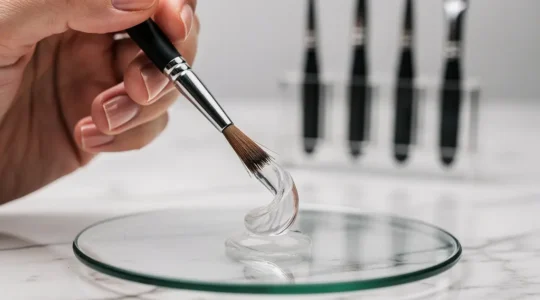
The Artisan’s Guide: How to Keep Liner Brushes Perfectly Straight for Razor-Sharp Lines
Contrary to common belief, keeping a liner brush straight isn’t about gentle cleaning or a special solution. The real craft lies in molecular preservation—avoiding chemicals that dissolve bristles—and mastering the physics of the tool, from how you load the gel…
Read more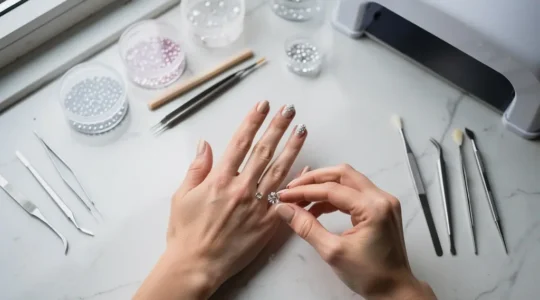
Why Top Coat Mutes Swarovski Brilliance: A Specialist’s Explanation
Applying top coat over a genuine crystal is not a finishing touch; it is an act of optical sabotage that nullifies the investment in a premium embellishment. A crystal’s brilliance comes from its precisely cut facets refracting light, a quality…
Read more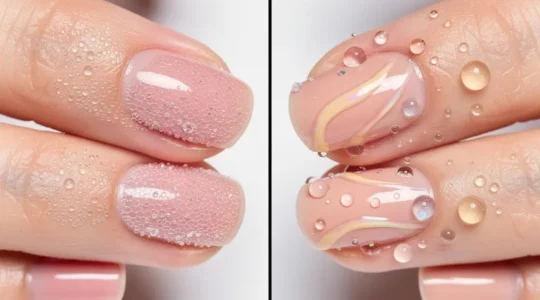
Jojoba vs. Almond Oil: Which Can Truly Penetrate the Nail Matrix?
Effective nail repair depends more on the molecular structure of your oil and your application sequence than the brand name. Jojoba oil penetrates because its structure mimics the skin’s natural wax esters, actively repairing the lipid barrier. Most other oils…
Read more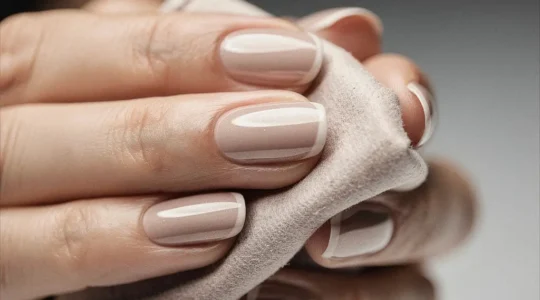
How to Achieve a “Wet Look” Shine Using Only a Chamois Buffer?
In summary: True shine comes from progressively smoothing the nail plate with decreasing grit levels, like polishing a gemstone. A natural chamois buffer is superior because its protein structure creates shine through controlled friction, not excessive heat. Buffing frequency must…
Read more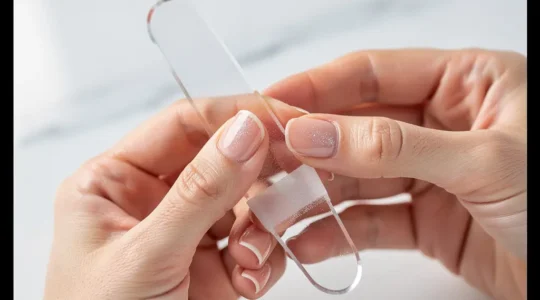
The Czech Glass File: A Connoisseur’s Guide to Ending Nail Damage and Cultivating Lasting Strength
The cycle of splitting and peeling nails isn’t your fault—it’s a direct result of using inferior tools that inflict damage with every use. Emery boards and metal files operate by tearing and creating microscopic fractures along the nail edge, leading…
Read more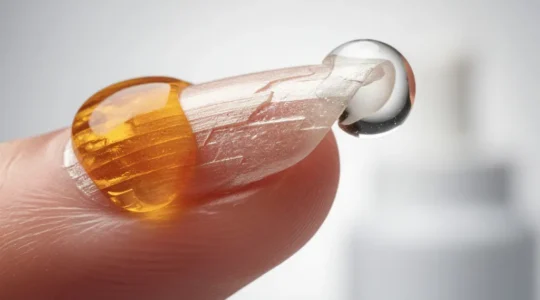
Oil or Serum: Which Penetrates Deeper Into the Nail Plate?
The true key to treating brittle nails isn’t choosing oil versus serum, but understanding their fundamentally different delivery systems: water-based serums can penetrate the nail plate for deep hydration, while oils primarily condition the surrounding skin. Serums utilize small, water-soluble…
Read more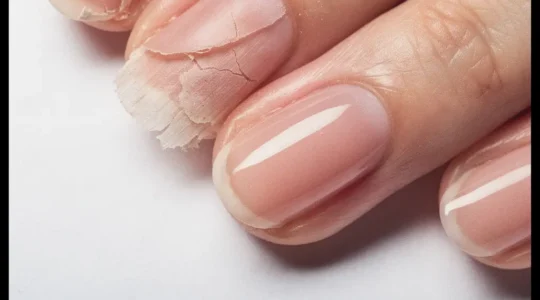
How to Restore Hardness to Nails That Bend Like Paper?
In summary: Weak nails post-acrylics suffer from broken internal keratin bonds, which superficial treatments cannot fix. True restoration relies on bond-building technology that penetrates the nail plate to repair its structural integrity from within. Traditional hardeners (like formaldehyde) create a…
Read more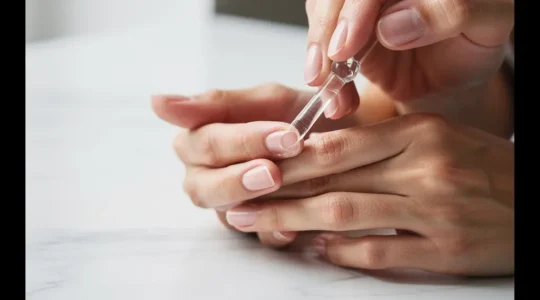
How to Dissolve Stubborn Cuticles Safely Without Using Nippers?
Contrary to popular belief, the secret to perfect cuticles isn’t just avoiding nippers, but mastering the chemical process of dissolving dead tissue and then neutralizing it to prevent damage. Cuticle removers use alkaline ingredients to soften keratin, but this high…
Read more